
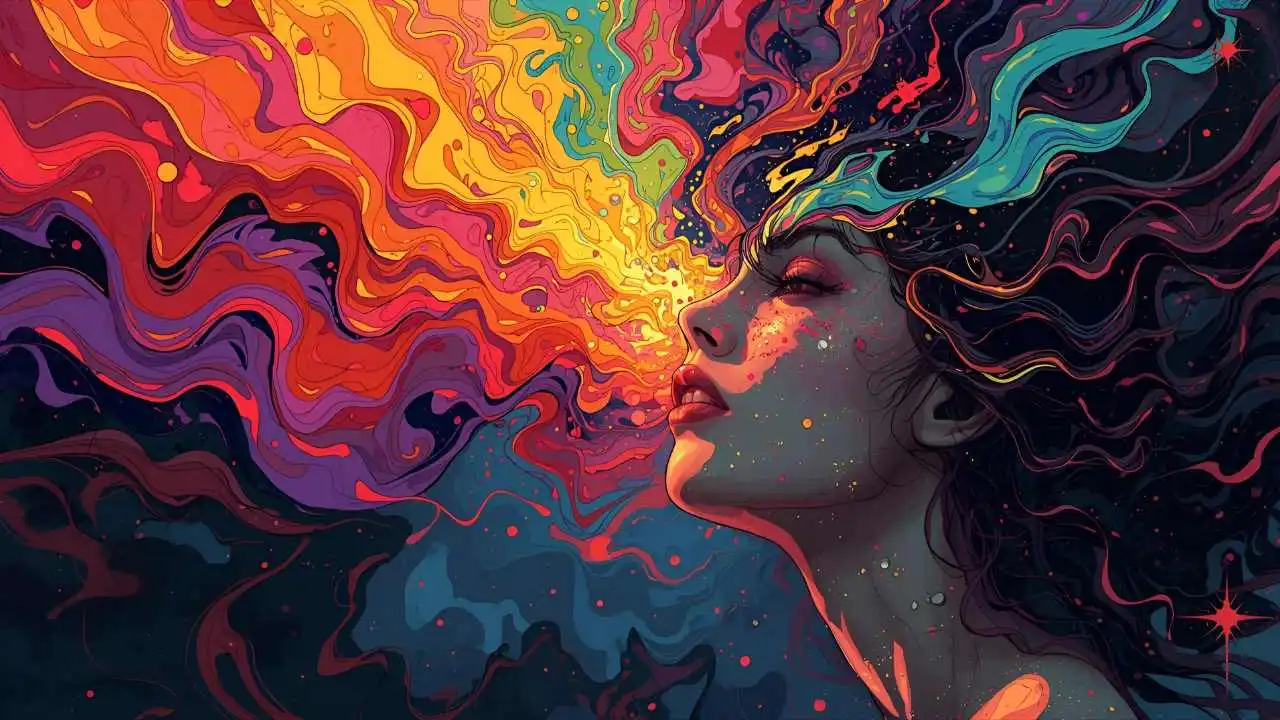

Have you ever found yourself suddenly thinking about someone in a way that made your heart race, your mind spin, and yet left you a little confused about what you were really feeling? I remember the first time I felt something like that—it hit me out of nowhere, and I couldn’t quite put a name to it.
I kept asking myself, “Is this just attraction, or is it something more intense?” That’s when I realized I needed to understand exactly what lust means. At first, it felt a bit embarrassing to even admit it, but the more I learned, the more I understood why recognizing lust is important—not just for relationships, but for understanding yourself.
In this article, I’m going to break down what lust really means, share the signs, and explain how it’s different from love or mere attraction, all in a way that’s easy to relate to because, trust me, I’ve been there too.
What Does Lust Mean?
Lust refers to intense physical attraction or sexual desire toward someone. It’s a natural emotional and biological reaction triggered by hormones, chemistry, appearance, or imagination.
Lust focuses on physical satisfaction, not emotional bonding. It’s not about knowing the person deeply or connecting with their values, dreams, or personality. Instead, it’s about the immediate pull—the raw, physical spark.
The Simple Definition
If you want the meaning of lust in simple words, it’s this:
“Lust is a strong desire for physical closeness or sexual intimacy, driven mainly by the senses and the body.”
Lust isn’t immoral or wrong. It’s part of human nature. What matters is how you interpret and act on it.
What Causes Lust?
Lust doesn’t just appear randomly. There are several key triggers.
Biological Causes
Your brain releases chemicals such as:
- Dopamine – creates pleasure and excitement
- Testosterone – increases sexual desire
- Adrenaline – boosts energy and attraction
These chemicals make you feel restless, focused, and drawn toward someone physically.
Physical Appearance and Attraction
Sometimes, someone’s face, voice, hairstyle, scent, or confidence can spark physical lust instantly. You don’t need to know them personally for this reaction to happen.
Emotional and Psychological Factors
Believe it or not, emotional states—like stress, loneliness, insecurity, or boredom—can intensify lust. When your emotional needs are unmet, your body sometimes channels that unmet feeling into physical desire.
Fantasy and Imagination
Your mind plays a huge role. You might see someone once and start imagining scenarios. This imagination fuels emotional lust, even without direct interaction.
Situational Triggers
Romantic settings, dim lighting, music, intimate conversations, or even movies can create situational lust.
Signs That You’re Experiencing Lust
Recognizing the signs of lust helps you differentiate it from love, admiration, or genuine care.
Here’s how lust usually feels:
- A sudden rush of attraction
- Daydreaming, fantasizing, or imagining scenarios
- Little to no curiosity about their personality
- Strong focus on physical qualities
- Attraction that fades without physical closeness
- Nervous excitement or butterflies
- Short-term obsession
- Feeling drawn to their looks more than their mind
Real-Life Example
Imagine you see someone at a party. You don’t know their name, their nature, or their life story—but you can’t stop looking at them. That intense pull is lust.
Lust vs Love: What’s the Difference?
People often confuse these two powerful emotions. Let’s break it down with clarity.
Lust Is Physical; Love Is Emotional
Lust is mostly about the body. Love is mostly about the heart.
Lust Happens Quickly; Love Takes Time
Lust can appear in seconds. Love grows through shared experiences, communication, and understanding.
Lust Wants Satisfaction; Love Wants Connection
Lust seeks pleasure. Love seeks partnership.
Lust Can Fade Quickly; Love Expands
When physical attraction weakens, lust often disappears. Love remains through challenges, changes, and growth.
Easy Test
Ask yourself:
Would I still care about this person if physical intimacy wasn’t involved?
If the answer is “probably not,” it’s lust.
The Positive and Negative Sides of Lust
Lust is neither right nor wrong. It depends on how you handle it.
Positive Effects of Lust
- It boosts confidence
- Creates instant chemistry
- Strengthens attraction in couples
- Adds excitement and thrill
- Encourages exploration and passion
Lust is healthy when balanced with respect, communication, and emotional awareness.
Negative Effects of Lust
becomes harmful when:
- It replaces emotional needs
- It leads to impulsive decisions
- It causes confusion with love
- It becomes obsessive
- It encourages unrealistic expectations
Healthy relationships require more than just need trust, honesty, and emotional depth.
What Does Lust Feel Like Emotionally and Physically?
Understanding what feels like helps you decode your emotions better.
Physical Sensations
- Faster heartbeat
- Restlessness
- Heightened senses
- Attraction that feels magnetic
- Warmth or excitement in the body
Emotional Sensations
- Intense curiosity
- Pleasure mixed with nervousness
- Short-term fixation
- Desire without emotional bonding
is basically a burst of desire wrapped in physical energy.
Types of Lust
Lust isn’t a single feeling. It appears in different forms.
Physical Lust
Driven mostly by looks, gestures, voice, scent, or confidence.
Emotional Lust
A deeper form of attraction that feels sensual but not necessarily intimate. You’re drawn to their vibe, charisma, or presence.
Situational Lust
Triggered by the environment—romantic atmosphere, music, mood, or timing.
Fantasy-Driven Lust
Created entirely in your imagination, often without real interaction.
Is Lust a Sin? A Balanced View
Many people wonder is a sin, especially within religious or conservative backgrounds. The truth depends on culture and belief systems.
Religious Perspective
Most religions see natural impulse but warn against letting it control your behavior or harm relationships.
Cultural Perspective
Some cultures openly celebrate sensuality. Others encourage modesty. Both shape how people interpret .
Psychological Perspective
Psychologists don’t label as “good” or “bad.” They view it as a biological response that becomes unhealthy only when mismanaged.
How Lust Affects Relationships
can either strengthen or weaken relationships, depending on how it’s handled.
Positive Impact
- Helps partners maintain intimacy
- Adds passion and excitement
- Increases sexual attraction
- Strengthens emotional bonding when balanced with love
Negative Impact
- Can trick people into thinking it’s love
- Leads to rushed decisions
- Creates emotional imbalance
- Causes disappointment when desire fades
Healthy relationships blend love + compatibility.
How to Control in a Healthy Way
People often search how to control or how to stop lustful thoughts when the feeling becomes overwhelming. Here are practical ways:
Pause and Reflect
Recognize the emotion instead of reacting impulsively.
Distract Yourself
Do activities that shift your focus—walking, reading, exercising, or talking to friends.
Avoid Tempting Situations
If certain environments trigger , create boundaries.
Understand Your Emotional Needs
Sometimes hides loneliness or emotional hunger.
Focus on Long-Term Values
Ask yourself whether acting on aligns with your goals.
Is Lust Always Bad?
Not at all. becomes harmful only when:
- It replaces emotional connection
- It leads to harm
- It controls your decisions
- It turns into obsession
- It opposes your moral or personal values
What Experts Say
Scientists describe as one of the foundational human emotions tied to survival and reproduction.
Brain Chemistry
- Dopamine (pleasure)
- Testosterone (desire)
- Adrenaline (excitement)
Evolutionary View
Lust helped ancient humans form connections and ensure survival.
Emotional Development
Understanding emotional intelligence and stronger relationship skills.
Quick Self-Test
Use this to check whether you’re experiencing vs love.
Ask Yourself:
- Do I care about their happiness?
- Would I stay without physical intimacy?
- Am I attracted to their personality or just their looks?
- Do I want long-term commitment or short-term excitement?
Can Lust Turn Into Love?
- Time
- Emotional bonding
- Deep conversations
- Trust
- Shared values
- Respect
With patience and connection, physical attraction can transform into emotional intimacy.
How Social Media Influences
Modern relationships face a new challenge—constant exposure to attractive images.
Effects of Social Media
- Creates unrealistic expectations
- Encourages comparisons
- Increases fantasy-driven
- Makes desire more accessible
Healthy Ways to Express
- Communicate openly
- Understand boundaries
- Ensure consent
- Act responsibly
- Avoid manipulation or pressure
- Keep expectations realistic
Healthy expression strengthens relationships instead of confusing them.
Why Understanding
- Build healthier relationships
- Prevent emotional confusion
- Improve self-control
- Recognize real love
- Set strong boundaries
- Avoid heartbreak
- Make mature decisions
Knowledge gives you power over your emotions.
FAQs About Lust
What does lust feel like?
It feels like intense physical attraction mixed with excitement and curiosity.
How long does lust last?
Lust usually lasts from a few weeks to a few months unless emotional bonding develops.
Is lust the same as love?
No. Lust is physical; love is emotional.
Can lust become love?
Yes—if both partners grow emotionally together.
Is lust a sin?
It depends on your cultural or religious beliefs. Psychologically, it’s natural.
How do I stop lustful thoughts?
Distract your mind, create boundaries, and focus on long-term goals.
Conclusion
Lust is natural, powerful, and deeply human. It’s your body’s way of reacting to attraction. Understanding the meaning of you to handle it wisely instead of being controlled by it.
When balanced with emotion, respect, and communication, lust adds passion and excitement to life. When misunderstood, it leads to confusion.
